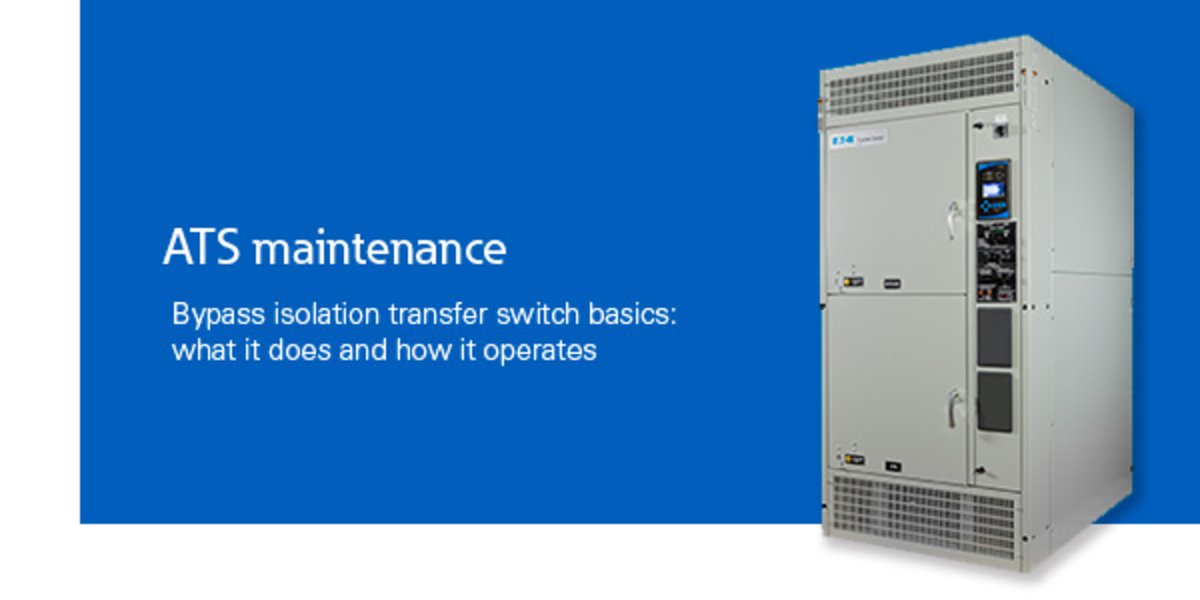
When the lights go out, your Automatic Transfer Switch (ATS) is the unsung hero, silently ready to spring into action and keep your operations humming. But like any vital piece of equipment, it needs care. Neglect your ATS, and that crucial moment of transfer could become a moment of profound frustration, or worse, danger. This guide dives deep into ATS Maintenance and Troubleshooting, equipping you with the knowledge to diagnose common issues, understand their root causes, and implement the fixes that ensure your backup power is always there when you need it most.
At a Glance: Key Takeaways for ATS Care
- Proactive, Not Reactive: Regular maintenance isn't just a good idea; it's essential for preventing costly breakdowns and ensuring safety.
- Know the Signs: Learn to recognize observable, audible, physical, and operational warning signs of an ailing ATS.
- Safety First: Always prioritize power isolation and wear appropriate Personal Protective Equipment (PPE) before any inspection or maintenance.
- Stick to a Schedule: Implement monthly visual checks and manual transfers, alongside annual electrical function tests.
- Dig Deeper: Don't forget component-specific checks like resistance testing, thermal imaging, and firmware updates.
- Document Everything: A detailed maintenance log is your best friend for tracking performance and identifying trends.
- Know When to Call a Pro: Some issues are beyond DIY; recognize when it's time to bring in a qualified technician, especially in emergencies.
The Silent Guardian: Why Your ATS Deserves Attention
An Automatic Transfer Switch (ATS) is the heart of any reliable backup power system. It's the intelligent bridge that automatically detects when utility power fails, commands your generator to start, and seamlessly switches your electrical load from the grid to the generator. When main power is restored, it gracefully reverses the process, turning off the generator and switching your load back to the utility. It’s a sophisticated dance that happens behind the scenes, ensuring your critical systems – be it in a hospital, data center, commercial building, or even a home – remain powered without interruption.
This seamless operation, however, isn't guaranteed forever. The ATS is a complex device comprising mechanical, electrical, and electronic components, all subjected to environmental stresses and the passage of time. Regular maintenance of your generator automatic transfer switch is not merely a recommendation; it's a critical investment in safety, operational continuity, and the longevity of your entire backup power infrastructure.
The High Stakes: Risks of Neglecting ATS Maintenance
Ignoring the needs of your ATS is akin to driving a car without ever changing the oil. The risks are substantial and can range from inconvenient to catastrophic:
- Unexpected Power Outages: The most immediate and obvious consequence. An unmaintained ATS can fail to transfer power when needed, leaving you in the dark precisely when you shouldn't be. This can halt business operations, compromise safety systems, and lead to significant financial losses.
- Increased Electrical Safety Hazards: Faulty wiring, corrosion, or damaged components within an ATS can lead to overheating, sparking, or even electrical fires. These pose severe risks of injury to personnel and damage to property.
- Premature Equipment Breakdown: Small, unaddressed issues like loose connections or minor corrosion can escalate into major component failures, requiring expensive emergency repairs or even full system replacement long before its expected lifespan.
- Compromised Generator Health: An ATS that fails to signal the generator correctly can lead to the generator running unnecessarily, not running when needed, or shutting down improperly, accelerating wear and tear on your generator itself.
Spotting Trouble Early: Common Warning Signs of ATS Issues
The first step in effective ATS troubleshooting is recognizing that something isn't right. Your ATS will often provide clues before a catastrophic failure occurs. Learning to identify these warning signs can prevent minor issues from spiraling into major problems.
Observable Clues
These are the signs you can see with your own eyes:
- Tripped Breakers: If circuit breakers related to the ATS or its connected loads frequently trip, it could indicate an overload, a short circuit, or a fault within the ATS.
- Generator Continues Running After Main Power Restores: This is a clear sign that the ATS isn't sensing the return of utility power or isn't initiating the transfer back correctly.
- Burnt Smells: A pungent odor of burning plastic or insulation near the ATS panel is an immediate red flag, signaling overheating or an electrical fault.
- Strange Discoloration Near the Panel: Discolored insulation, scorch marks, or warped plastic components are visual indicators of excessive heat and potential internal damage.
Audible Warnings
Sometimes, your ears can tell you what your eyes can't:
- Buzzing: A persistent buzzing sound can indicate loose components vibrating, an overloaded circuit, or issues with relays.
- Clicking: While some clicking is normal during transfer, excessive or unusual clicking could signal relay chatter or problems with the solenoid mechanisms.
- Humming Sounds: A loud or unusual humming could point to transformer issues, coil problems, or loose laminations within the ATS.
Physical Red Flags
Getting up close and personal can reveal these tangible problems:
- Loose Connections: Visibly loose wires or terminals are a major concern, as they can cause arcing, overheating, and intermittent power supply.
- Corrosion: Rust or corrosion on contacts, terminals, or internal components suggests moisture ingress or environmental exposure, impeding electrical conductivity.
- Excessive Dust, Dirt, Leaves, or Debris: Accumulation of foreign material can block ventilation, cause overheating, short circuits, or impede mechanical movement.
- Moisture, Flooding, Water Leaks: Any signs of water ingress are extremely dangerous and must be addressed immediately, as water conducts electricity and causes severe damage.
- Visible Damage: Cracks, dents, bent parts, or damaged insulation on wires indicate physical trauma or internal electrical stress.
Operational Glitches
When the ATS just doesn't do what it's supposed to:
- Broken or Faulty Controller: The control panel is the "brain" of the ATS. If it displays error codes, fails to illuminate, or doesn't respond to commands, the entire unit may not function properly.
- Delayed or Failed Transfers: The ATS takes too long to switch or fails to switch between utility and generator power altogether.
- Generator Fails to Start: The ATS sends the signal, but the generator remains dormant.
Unmasking the Culprits: Primary Causes of ATS Problems
Understanding why your ATS might be misbehaving is key to effective troubleshooting and long-term prevention. Here are the most common underlying causes of ATS issues:
Mechanical Wear and Tear
ATS units have moving parts – relays, switches, and sometimes motors – that operate under load. Over time, these components are subject to wear.
- Dust and Moisture: These environmental factors can accelerate wear, corrode parts, or create sticky residues that impede movement.
- Inadequate Lubrication: Moving parts require proper lubrication to function smoothly; without it, friction increases, leading to premature failure.
Electrical Connection Issues
The integrity of electrical connections is paramount for stable power flow.
- Loose Connections: Vibrations, thermal cycling, or improper installation can loosen terminals, leading to increased resistance, arcing, overheating, and erratic performance.
- Corroded Connections: Oxidation or rust on contact points creates high resistance, disrupting current flow and potentially creating dangerous hot spots.
Control Panel Failures
The sophisticated electronics of the ATS control panel are its operational intelligence.
- Circuitry Malfunctions: Faults in printed circuit boards or individual electronic components can prevent the ATS from accurately sensing utility power, initiating transfers, or communicating with the generator.
- Software Glitches: Modern ATS units rely on firmware; bugs or outdated versions can cause erratic behavior or complete failure to respond during a power loss.
Improper Sizing or Installation
A common, yet often overlooked, cause of chronic ATS problems.
- Incorrectly Matched to Load: If an ATS is undersized for the electrical load it's meant to handle, it will be overloaded, leading to excessive heat, tripped breakers, and premature component failure. An oversized unit might work but is an inefficient investment.
- Poor Installation Practices: Incorrect wiring, inadequate grounding, or failure to follow manufacturer specifications during installation can introduce latent defects that manifest as problems down the line.
The Perils of Idleness: Lack of Exercise or Testing
An ATS that's rarely called into action can "freeze up" when finally needed.
- Parts Sticking: Mechanical components can become stiff or seize due to inactivity, dust accumulation, or minor corrosion.
- Failure on Demand: The most critical test of an ATS is its ability to perform during an actual outage. Infrequent testing means potential issues go undetected until it's too late.
Power Quality Gremlins
The quality of the electrical power supplied can significantly impact sensitive ATS electronics.
- Surges, Spikes, and Voltage Drops: These fluctuations can damage electronic components, cause relays to malfunction, or degrade insulation over time.
- Harmonics: Non-sinusoidal currents can create excessive heat in transformers and other components, leading to premature failure.
Battery Backup Blues
Many modern ATS controllers rely on internal batteries for their control circuitry.
- Failed or Undercharged Battery: A dead or weak battery can prevent the control panel from operating, especially during an outage when utility power is absent to charge it.
Environmental Assault
The environment in which the ATS operates plays a crucial role in its longevity.
- Extreme Temperatures: Both excessively hot and cold conditions can stress electrical components, degrade insulation, and affect mechanical clearances.
- High Humidity: Moisture is a major culprit for corrosion and can lead to electrical shorts.
- Excessive Dust: Dust buildup can act as an insulator, trapping heat, and can be conductive when mixed with moisture, leading to short circuits.
Safety First, Always: Your Pre-Maintenance Checklist
Before you even think about opening your ATS panel, remember this: you are working with high-voltage electricity. Safety is not a suggestion; it is a non-negotiable prerequisite. Always adhere to these critical precautions.
- Absolute Power Isolation: This is the most crucial step.
- Turn Off Main Power: De-energize the utility feed to the ATS.
- Isolate Backup Power: Shut down and lock out your generator, ensuring it cannot start automatically or manually.
- Verify Zero Energy: Use a voltmeter to confirm that all incoming and outgoing terminals within the ATS are de-energized. Never assume power is off.
- Gearing Up: Personal Protective Equipment (PPE): Protect yourself from potential hazards.
- Safety Glasses/Goggles: To shield your eyes from debris or electrical arcs.
- Hard Hat: If there's any risk of falling objects or head bumps.
- Safety Shoes: With non-conductive soles and toe protection.
- Insulated Gloves: Specifically rated for the voltage levels present, to protect against electrical shock. Avoid standard work gloves for internal electrical work.
- Respirators (If Trained and Necessary): For environments with dust or fumes.
- Hearing Protection: In loud generator environments.
- Optimizing Your Workspace: A clean and safe environment prevents accidents.
- Clean and Dry: Ensure the area around the ATS is free of moisture, spills, and debris.
- Free of Obstructions: Keep pathways clear to allow for safe movement and rapid exit if necessary.
- Adequately Lit: Good lighting prevents errors and makes hazards visible.
- Environmental Sweet Spot: Maintain optimal conditions if possible.
- Temperature: Aim for ambient temperatures between 68-77°F (20-25°C).
- Humidity: Keep relative humidity between 40-60%.
- Proper Airflow: Ensure the ATS enclosure has adequate ventilation to prevent heat buildup, which can damage components.
- Manufacturer's Mandate:
- Read the Manual: Always consult the specific ATS manufacturer’s guidelines for maintenance, testing procedures, and safety warnings. These instructions are tailored to your exact equipment.
Your Proactive Playbook: The ATS Maintenance & Testing Schedule
Consistent, scheduled maintenance is the bedrock of ATS reliability. Here’s a breakdown of recommended checks, from quick monthly glances to annual deep dives.
Monthly Vigilance: Quick Checks & Manual Transfers
These regular, lighter checks help catch nascent issues before they escalate.
Eyes On: Visual Inspection
Take a close look at the external and internal (if safely accessible) condition of your ATS.
- Debris Check: Look for any accumulation of dust, dirt, leaves, bugs, or other debris that could block ventilation, cause shorts, or impede moving parts.
- Rust and Damage: Inspect for signs of rust or corrosion, especially around terminals and hinges. Note any visible damage like cracks, dents, or signs of overheating.
- Warning Labels: Ensure all safety and warning labels are visible, legible, and intact.
- Anchoring: Confirm the ATS is securely mounted and anchored, with no loose brackets or unstable connections.
- Water Damage: Look for any evidence of moisture ingress, water stains, or active leaks around the enclosure.
A Gentle Clean: Exterior Care
- Exterior Wipe Down: Use a dry, lint-free cloth or a soft-bristled brush to clean the exterior of the ATS enclosure.
- Vacuuming (Carefully): For dust and loose debris, a vacuum cleaner with a brush attachment can be used on the exterior and carefully around internal components, ensuring not to dislodge wires or components.
- Professional Internal Cleaning: Never use water or spray cleaners on internal components. Internal cleaning requires specialized tools and expertise, best left to a professional to avoid damage or electrical hazards.
The "Workout": Manual Transfer Test
This crucial exercise prevents mechanical parts from seizing and validates the basic operational sequence.
- Pre-Test Inspection: Before touching anything, perform a quick visual inspection as described above for any obvious damage or loose components that might be exacerbated by the test.
- Smooth Movement Check: If safe to do so, manually operate the transfer switch (following manufacturer instructions) to feel for smooth movement and listen for any unusual noises (grinding, sticking).
- Control Panel Verification: Use a multimeter to check basic insulation and resistance if you have the proper training and tools. More importantly, confirm that all control panel settings (e.g., time delays) match the manufacturer's specifications.
- Simulate a Power Loss: With all safety precautions in place (PPE, clear area), turn off the main utility breaker feeding the ATS.
- Observe Transfer: Watch as the ATS senses the power loss, sends a start signal to the generator, and then transfers the load to generator power.
- Generator Performance: Ensure the generator starts promptly, reaches stable voltage and frequency, and the load is successfully transferred.
- Restore Main Power: Once the transfer to generator power is confirmed, restore the main utility breaker.
- Observe Return Transfer: Confirm the ATS senses the return of utility power, transfers the load back to the utility, and then sends a shutdown signal to the generator.
- Generator Shutdown: Ensure the generator cools down and shuts off as expected.
- Insight: Performing this manual transfer monthly is like giving your ATS a regular workout. It helps identify early problems like sticking contacts, sluggish relays, or incorrect control settings, ensuring the system is ready for a real emergency.
Annual Deep Dive: Electrical Function & Performance
For high-risk or critical facilities, consider performing these more rigorous electrical tests every three months. For most others, an annual check is sufficient.
Beyond the Surface: Measurements & Diagnostics
- Resistance and Insulation: Measure the resistance of the switch contacts. High resistance indicates degradation, pitting, or loose connections. Conduct an insulation resistance test (Megger test) to ensure the wiring and insulation are intact and haven't degraded, preventing leaks or shorts.
Checking the Current's Pulse: Power Quality Analysis
A comprehensive check goes beyond just seeing if power transfers. It examines the quality of that power.
- Voltage Levels: Verify that voltage levels on all phases are correct and stable, both from the utility and the generator.
- Current: Check that current draw does not exceed rated capacities (no overloads) and that there are no abnormal current drops.
- Power Stability: Ensure a stable power supply during the transfer process, without significant sags or surges.
- Frequency: Confirm the frequency matches system requirements (e.g., 60 Hz in North America).
- Phase Alignment: Verify proper phase alignment on three-phase systems.
- Insulation Resistance: Re-check insulation resistance to ensure no leaks or shorts developed under operational stress.
- Harmonics and Impedance: Advanced testing can include checking for harmonic distortion and system impedance, which can affect equipment performance and lifespan.
The Paper Trail: Why Record Keeping Matters
- Maintenance Log: Document every test result, observation, and corrective action in a detailed maintenance log. This log is invaluable for:
- Tracking Changes: Identifying gradual degradation or changes over time.
- Predictive Maintenance: Spotting trends that indicate potential future issues.
- Compliance: Providing a record for safety regulations and warranty requirements.
- Optimization: Giving technicians data to refine maintenance strategies and improve operational efficiency.
Zooming In: Component-Specific Care
Beyond the general schedule, some components require specific attention.
The Resistance Checkup: Identifying Weak Links
- Critical Components: Use a multimeter to check the resistance across critical components like circuit breakers, fuses, and battery connections (if applicable).
- Tolerance Levels:
- Circuit Breakers: Look for a minimum deviation of 50% from the baseline, indicating significant wear.
- Fuses: A tolerance of 15% from its rated value can suggest degradation.
- Batteries: A variation of not more than 20% from its installation value for voltage and resistance indicates a healthy battery.
- High Resistance Alert: High resistance readings are a strong indicator of loose connections, internal component damage, or potential overheating. Address these findings promptly.
Seeing the Invisible: Thermal Imaging's Power
- Hot Spot Detection: A thermal camera can reveal hot spots not visible to the naked eye. These elevated temperatures often signify high resistance connections, overloaded circuits, or failing components.
- Proactive Intervention: Addressing these thermal anomalies quickly can prevent arcing, component failure, and even fires.
Hands-On Harmony: Contacts & Connections
- Visual Inspection: Regularly inspect contacts for signs of pitting, wear, arcing, or corrosion. Check all terminals and connectors for tightness.
- Cleaning: Clean contacts with a specialized electrical contact cleaner or a fine-grit non-abrasive material, if safe and recommended by the manufacturer.
- Lubrication: Lubricate moving mechanical parts (e.g., linkages, hinges) with a manufacturer-approved lubricant to ensure smooth operation and prevent sticking.
- Tightening: Torque all terminals and connections to the manufacturer's specified values. Loose connections are a primary cause of ATS failure.
Staying Smart: Firmware Updates
- Modern Units: For ATS units with electronic controllers, check the manufacturer's website for firmware updates.
- Preventing Glitches: Keeping firmware current can resolve software bugs, improve performance, and enhance compatibility with newer generator models or grid requirements.
Keeping the Spark: Battery Maintenance
- Battery Backup: If your ATS controller has a battery backup, include its maintenance in your routine.
- Testing and Replacement: Test the battery's voltage and capacity regularly. Replace it according to the manufacturer's schedule or if it fails to hold a charge.
- Clean and Tight: Ensure battery terminals are clean and free of corrosion, and all connections are tight.
Shielding Your System: Surge Protection
- Install Protection: Robust surge protection on both the utility and generator sides can safeguard sensitive ATS electronics from power spikes.
- Power Quality Analysis: Regularly conduct power quality analysis to detect and address voltage anomalies that could stress your ATS.
What Do the Numbers Mean? Interpreting Your Test Results
Collecting data during maintenance is only half the battle; the other half is understanding what it tells you.
- Compare Against the Baseline: Always compare your current readings (resistance, voltage, temperature, etc.) against the manufacturer’s normal operating range and, crucially, against your own previous test results. The maintenance log becomes your historical guide.
- Spotting the Subtle Shifts: Look for any deviations, however minor. A gradual increase in contact resistance, a slight rise in operating temperature, or a marginally slower transfer time can all be early indicators of a developing problem.
- Don't Delay, Act Today: Any result outside the normal range, or any significant change from previous readings, warrants immediate investigation and corrective action. Minor issues left unaddressed often escalate into critical failures.
- Document Everything: Record non-standard results, the date, and the specific corrective actions taken in your maintenance log. This creates a valuable history for future troubleshooting.
Beyond Your Toolkit: When to Call a Certified Professional
While diligent DIY maintenance can cover many bases, there are clear instances when professional expertise is non-negotiable. Knowing your limits protects both you and your equipment.
Recognizing Your Limits
- Beyond Basic Cleaning or Tightening: If you encounter issues that go beyond simple visual checks, exterior cleaning, or tightening a loose screw – such as burnt marks, melted wires, broken internal mechanical parts, or complex control panel/software errors – it's time to call in an expert.
- Repeated Failures: If your ATS consistently fails to switch power, even after basic troubleshooting, a deeper, systemic issue is likely at play. This requires advanced diagnostics.
- Uncertainty: If you are ever unsure about a test procedure, a repair step, or the interpretation of a reading, do not proceed. The risks of electric shock or further equipment damage are too high.
The Emergency Handbook: When Every Second Counts
Some situations demand immediate professional intervention, even before you attempt any diagnostic steps.
- Level 1 (Immediate Danger): This is a critical emergency. If you observe:
- ATS fire or smoke.
- Burning odors accompanied by visible sparks or arcs.
- Total power loss to critical circuits and the ATS is unresponsive.
- Action: Evacuate the area immediately, ensure no one attempts to approach or touch the ATS, and call emergency services (fire department) followed by your qualified electrical technician. Never attempt repairs during an emergency.
- Level 2 (High Risk, Prompt Action): These situations are serious and require immediate attention from a qualified technician.
- Repeated transfer failures: The ATS fails to switch multiple times.
- Overheating: The ATS enclosure is unusually hot to the touch, or thermal imaging reveals severe hot spots.
- Major audible cues: Loud grinding, banging, or persistent arcing sounds.
- Action: Power down the system if safe to do so, isolate the ATS, and contact a qualified technician immediately.
Scheduled Professional Assessments
Even with excellent in-house maintenance, periodic professional inspections are invaluable for comprehensive health checks.
- Annual Inspections: Experts recommend a thorough annual inspection by a certified technician for most commercial and industrial ATS units.
- High-Power Demand Facilities: Facilities with high-power demands or critical operations may warrant more frequent professional checks (e.g., quarterly).
- After Incidents: Always schedule a professional check after a significant event like a prolonged blackout, a major power surge, or any generator-related incident, to ensure no hidden damage occurred.
The Payoff: Why Regular Maintenance is Your Best Investment
Investing time and resources into ATS maintenance isn't a cost; it's a strategic investment that yields significant returns.
- Unwavering Power Reliability: The most critical benefit. Regular checks ensure your ATS performs flawlessly during an outage, safeguarding operations, data, and safety.
- Reduced Costs: Proactive maintenance drastically reduces the likelihood of expensive emergency repairs, minimizes downtime, and extends the operational lifespan of both your ATS and your generator.
- Seamless Operations, Every Time: Fast, efficient power switching prevents disruptions to work, business processes, and critical functions, maintaining productivity and continuity.
- Smarter Maintenance Cycles: A detailed maintenance log empowers facilities managers to track performance, identify trends, and move from reactive fixes to predictive, cost-effective interventions.
- Staying Compliant, Staying Safe: Regular maintenance and detailed records help fulfill safety regulations, insurance requirements, and industry standards, reducing legal and financial liabilities.
- Optimizing Performance for the Long Haul: Technicians can use historical data and expert insights to fine-tune your ATS settings, improve system care, and optimize overall operational efficiency, ensuring peak performance for years.
The Long View: Expert Inspection Milestones
Beyond routine checks, plan for these long-term expert inspections to guarantee the sustained health of your ATS:
- 5 Years (Initial Equipment Condition): A comprehensive review of the ATS's initial operational condition, establishing a baseline for its expected performance and identifying any early-life issues.
- 10 Years (Worn Parts Inspection): A detailed inspection focusing on parts prone to wear and tear over a decade of operation, such as contacts, relays, and mechanical linkages, with recommendations for replacement.
- 15 Years (Full Component Functionality): A thorough assessment of all major components for full functionality, including internal wiring, control boards, and insulation, ensuring the entire system remains robust.
- 20 Years (Comprehensive Safety and Compliance Review): A complete review focusing on safety standards, regulatory compliance, and overall system integrity, often including recommendations for modernization or replacement of older units to meet current technological advancements and efficiency standards.
Your Essential Toolbelt
While a professional technician comes with specialized gear, here are some commonly required tools for your in-house ATS maintenance:
- Multimeter: Essential for checking voltage, current, resistance, and continuity.
- Thermal Camera: For detecting invisible hot spots that indicate potential problems.
- Insulated Screwdrivers and Wrenches: Critical for safe work around electrical components.
- Torque Wrench: To ensure all connections are tightened to manufacturer specifications, preventing loose connections.
- Wire Brush/Contact Cleaner: For cleaning corroded contacts (use only as recommended by manufacturer).
- Vacuum Cleaner (with attachments): For carefully removing dust and debris.
- Lint-Free Cloths: For wiping down surfaces.
- Manufacturer's Manual: Always your primary reference guide.
Empowering Your Power Resilience
Your Automatic Transfer Switch isn't just a switch; it's a promise – a promise of continuous power, safety, and operational resilience. By embracing a proactive approach to ATS maintenance and troubleshooting, you're not just preventing problems; you're actively ensuring that promise is kept. With regular checks, a keen eye for warning signs, and the wisdom to call in a professional when needed, you can rest assured that your critical systems will always have the power they need, precisely when it matters most.