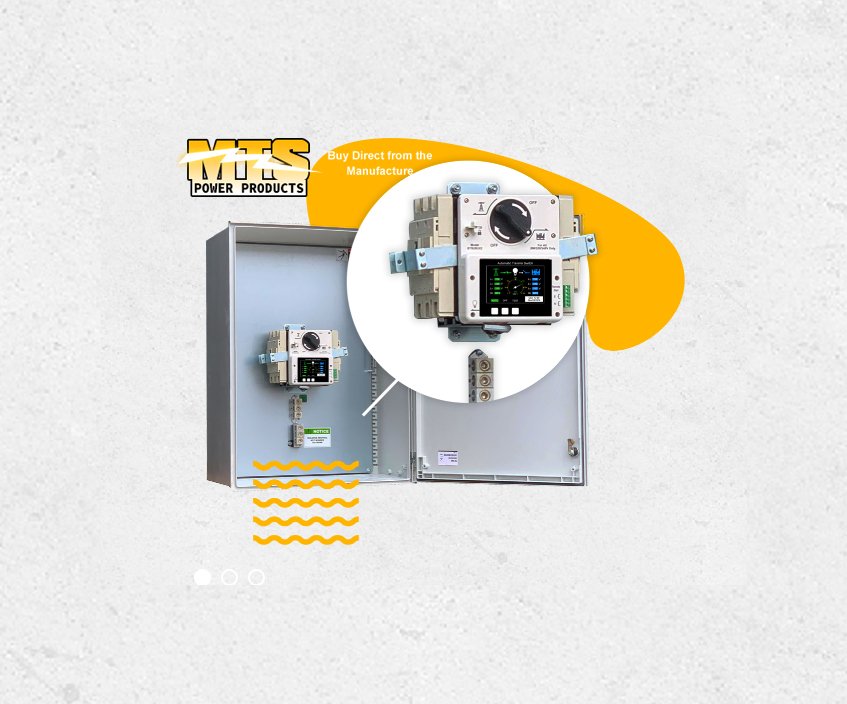
Imagine a sudden power outage plunging your home or business into darkness. In those critical moments, the last thing you want is to scramble for flashlights or manually start a generator. This is precisely where a generator automatic transfer switch (ATS) becomes your silent, unwavering guardian. It's the intelligent brain of your backup power system, seamlessly shifting your electricity source from the utility grid to your generator the instant an outage occurs, and back again when power is restored.
An ATS isn't just a convenience; it's a vital component for safety, reliability, and peace of mind. It eliminates the need for manual intervention, ensuring continuous power to essential circuits and appliances, whether you're home or away. From protecting sensitive electronics to maintaining critical operations, understanding this crucial device is the first step toward true energy independence.
The Core of Continuous Power: What is an Automatic Transfer Switch?
At its heart, an automatic transfer switch is an electrical switch that automatically shifts the power load between two sources—typically your utility company's grid and your backup generator. It constantly monitors the incoming utility power, and the moment it detects a disruption, it signals your generator to start. Once the generator is ready, the ATS safely disconnects your property from the utility and connects it to the generator, all within seconds. When utility power returns and stabilizes, the ATS reverses the process, switching back to the grid and shutting down the generator.
This automatic functionality is key to maintaining an uninterrupted power supply, safeguarding your appliances, and preventing dangerous back-feeding of power into the utility lines. To truly grasp the mechanics behind this seamless transition and its vital role in your power strategy, you'll want to Understand Automatic Transfer Switches in depth.
Navigating the World of ATS: Types and Essential Features
Not all automatic transfer switches are created equal. The market offers a variety of ATS types, each designed to meet different needs and applications, from residential homes to large commercial facilities. Understanding these differences is crucial for selecting the right system for your specific requirements.
Common types include:
- Open Transition (Break Before Make): This is the most common type, creating a brief interruption (a few cycles) in power during the transfer.
- Closed Transition (Make Before Break): These switches briefly parallel the generator with the utility during transfer, ensuring no interruption to power, often used in critical applications.
- Bypass-Isolation ATS: Offers the ability to isolate the transfer switch for maintenance while keeping the load powered by either the utility or the generator.
Beyond types, key features like amperage rating, voltage compatibility, NEMA enclosure ratings, and advanced control panels with monitoring capabilities significantly impact performance and suitability. As you explore your options, it's crucial to differentiate between the various Types of ATS and Key considerations that define their performance and suitability.
Selecting the Perfect ATS for Your Generator System
Choosing the right automatic transfer switch is a critical decision that impacts the efficiency and reliability of your entire backup power system. It’s not just about getting an ATS; it's about finding the right ATS that perfectly complements your generator, your electrical load, and your specific operational needs.
Several factors come into play:
- Generator Size and Output: The ATS must be rated for the voltage and amperage output of your generator.
- Load Requirements: Determine which circuits you want to power during an outage (essential vs. whole-house).
- Single-Phase vs. Three-Phase: Match the ATS to your property's electrical service.
- Indoor vs. Outdoor Installation: Choose an ATS with an appropriate NEMA rating for its environment.
- Budget and Features: Balance cost with desired advanced features like remote monitoring or historical data logging.
Making the right choice is paramount, and we'll guide you through the critical factors to Find the right generator ATS that perfectly matches your specific needs and generator capabilities.
From Box to Power: ATS Installation, Wiring, and Safety Protocols
Installing an automatic transfer switch is a complex electrical task that should always be performed by a qualified and licensed electrician. Attempting a DIY installation can be extremely dangerous, leading to electrical hazards, damage to your equipment, and potential violations of local electrical codes. Proper installation ensures not only functionality but, more importantly, the safety of your property and its occupants.
The installation process typically involves:
- Pre-installation Planning: Assessing load, selecting location, and understanding local codes.
- Wiring: Connecting the ATS to the utility meter, the main service panel, and the generator.
- Control Wiring: Establishing communication between the ATS and the generator for start/stop signals.
- Testing and Commissioning: Verifying proper operation and safety features.
Given the electrical complexities involved, a correct and safe setup is non-negotiable, which is why we delve into every detail when you Learn about ATS installation. How to ensure it's done right.
Keeping the Lights On: ATS Maintenance and Troubleshooting
Like any sophisticated electrical component, an automatic transfer switch requires periodic maintenance to ensure its longevity and reliable operation. Regular checks can prevent minor issues from escalating into major problems, ensuring your backup power system is always ready when called upon. While professional service is often recommended, understanding basic maintenance tasks and common troubleshooting steps can be incredibly empowering.
Routine maintenance often includes:
- Visual Inspections: Checking for loose connections, corrosion, or signs of wear.
- Contact Cleaning: Ensuring electrical contacts are free of debris.
- Testing: Regularly exercising the ATS to confirm it transfers power correctly.
- Firmware Updates: For smart ATS units, ensuring software is up to date.
Even with the most robust systems, occasional issues can arise, making it invaluable to know how to perform routine checks and effectively Solve common ATS issues to maintain peak performance.
Empowering Your Energy Future
A generator automatic transfer switch is more than just a piece of hardware; it's the intelligent heart of a resilient power strategy. By embracing the capabilities of an ATS, you're investing in uninterrupted comfort, safety, and operational continuity. Explore our comprehensive guides to fully understand, choose, install, and maintain your ATS, ensuring your power supply is always ready, come what may.